Every day, companies operate in a state of either accumulated margin improvement or accumulated margin deterioration, as daily pressures constantly work to erode increasing profits.
By developing a ‘margin department mindset’ and leveraging the powerful software available today, companies can uncover previously unattainable margin improvements. The businesses of the future will have a dedicated data/margin specialist as a core part of their team structure.
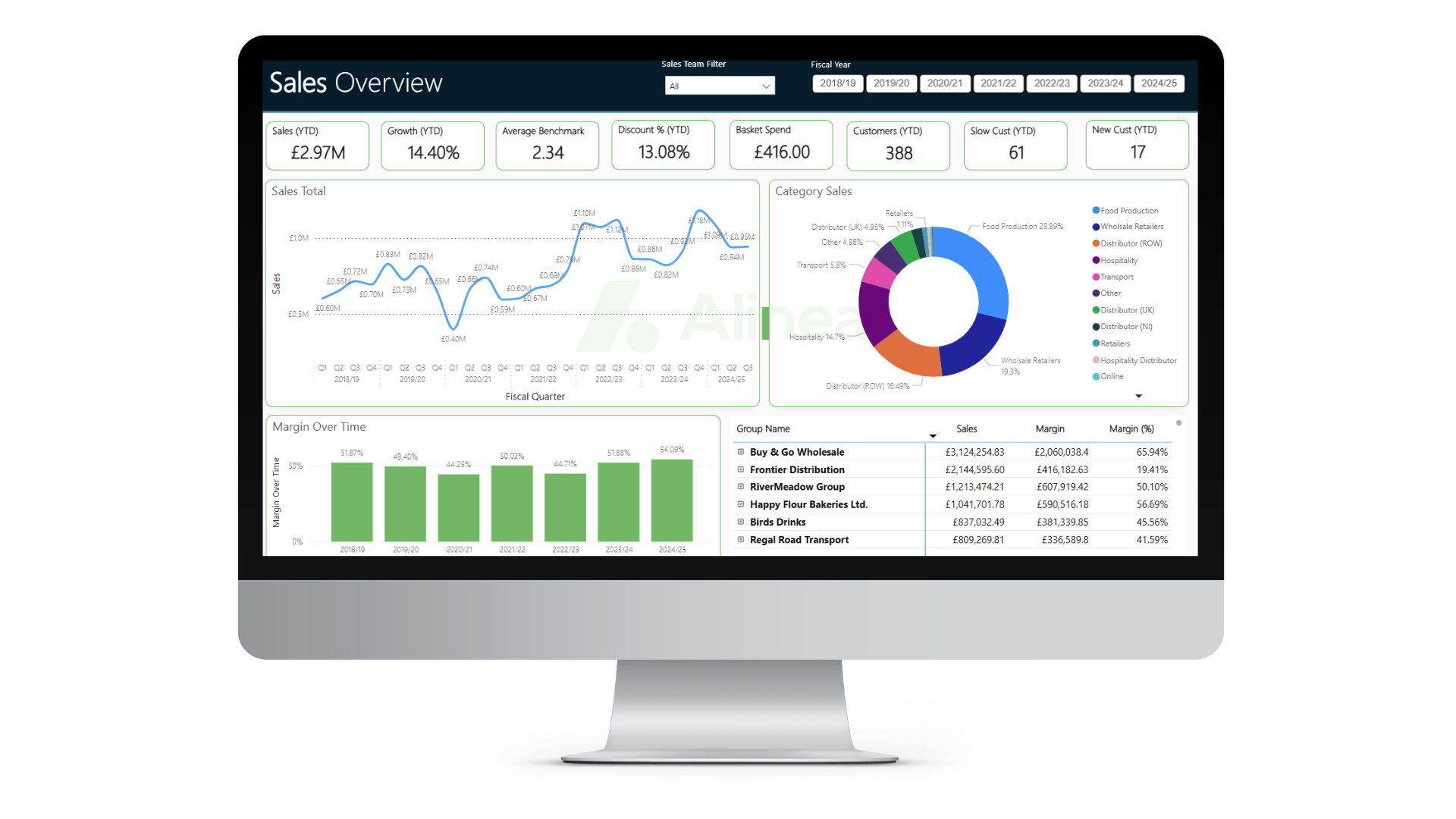
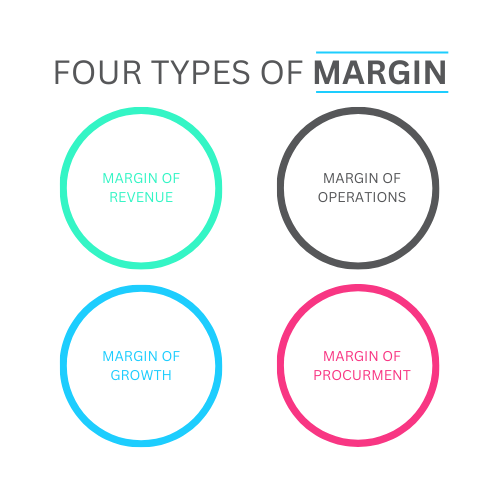
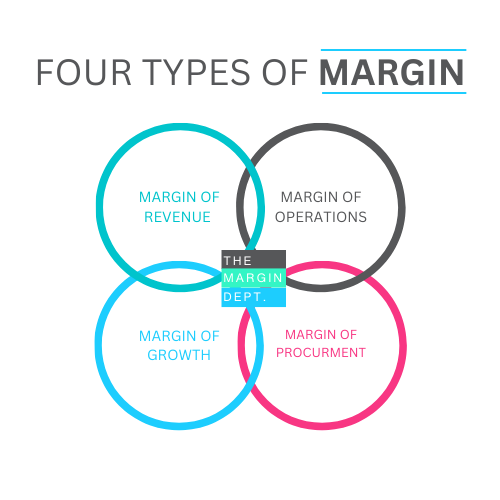
Our system breaks margin into four categories and then rather than the traditional silo structure. It combines these 4 margin types into one (cleaned) location so you can see margin across the business.
1. Assign full responsibility for data management
This role is distinct from IT and finance. In many SMEs, data responsibilities are spread across various roles (Ops, Finance, MD), resulting in fragmented and underutilised data—often scattered across half-built Excel files on employees’ computers.
A major risk is assigning data collection and analysis to the wrong people, leading to unintentional bias. An impartial ‘data leader’ helps mitigate this issue and ensures data integrity.
2. Collect the uncollected
With exports and APIs, it’s easy to assume all data is accounted for, but the real margin magic lies in the ‘uncollected data.’ This could include tracking machine setup times or wastage. To fully realise your margin potential, it's essential to identify and capture missing data—remember, "rubbish in, rubbish out."
3. Appoint a dedicated margin advocate in every meeting
Instead of margin being an afterthought for multiple team members, designate one person whose sole responsibility is monitoring and improving margin. This ensures continuous focus and accountability.
4. Hold a dedicated margin-only meeting once a month
These monthly sessions should focus exclusively on margin-related discussions, including generating new margin experiments and ideas.
5. Avoid margin silos
Margin impacts every aspect of a business—from procurement to production to pricing. The margin leader must have a strong understanding of operations and commerce to drive meaningful improvements.
6. Wear the swag
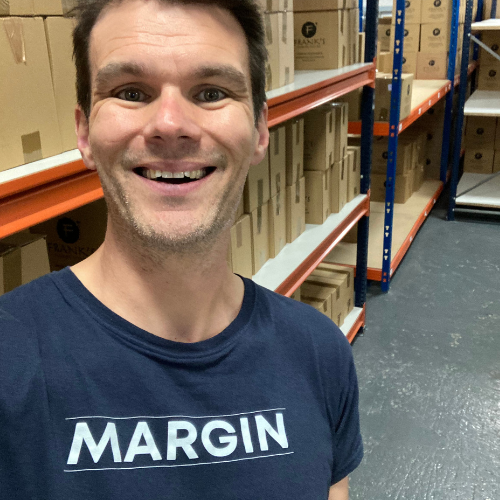
It may sound trivial, but when I visit clients, I wear a "Margin" T-shirt. It immediately signals my purpose, sparking valuable conversations with teams across the business. The number of insights gained from these informal interactions is incredible.
7. Measure and act
The ‘margin department’ must deliver simple, action-driven BI reports. While tools like Power BI are incredibly powerful, excessive data noise can hinder decision-making.
8. Keep it simple and measure impact
While uncovering margin improvements can be complex, any proposed changes should be simple and measurable. The margin leader should always ask: “Will this make us more margin?” If the answer is yes, act on it.
Margin is a fundamental driver of business success, yet it is often underutilised as day-to-day operations (rightfully) take priority. However, the rewards of adopting a margin department mindset are substantial—both in today’s profits and tomorrow’s business valuation.
Our margin transformation theory is simple: when a business assigns someone solely responsible for improving margin, margin will improve.
“Marginal gains is not about making small changes and hoping they fly. Rather, it is about breaking down a big problem into small parts in order to rigorously establish what works and what doesn't.” (Matthew Syed)
From reviewing margins data and helping us be as directed and precise as possible in that area, to highly strategic and practical advice, you have made a significant difference to how we have been able to navigate this process. Thank you so much.
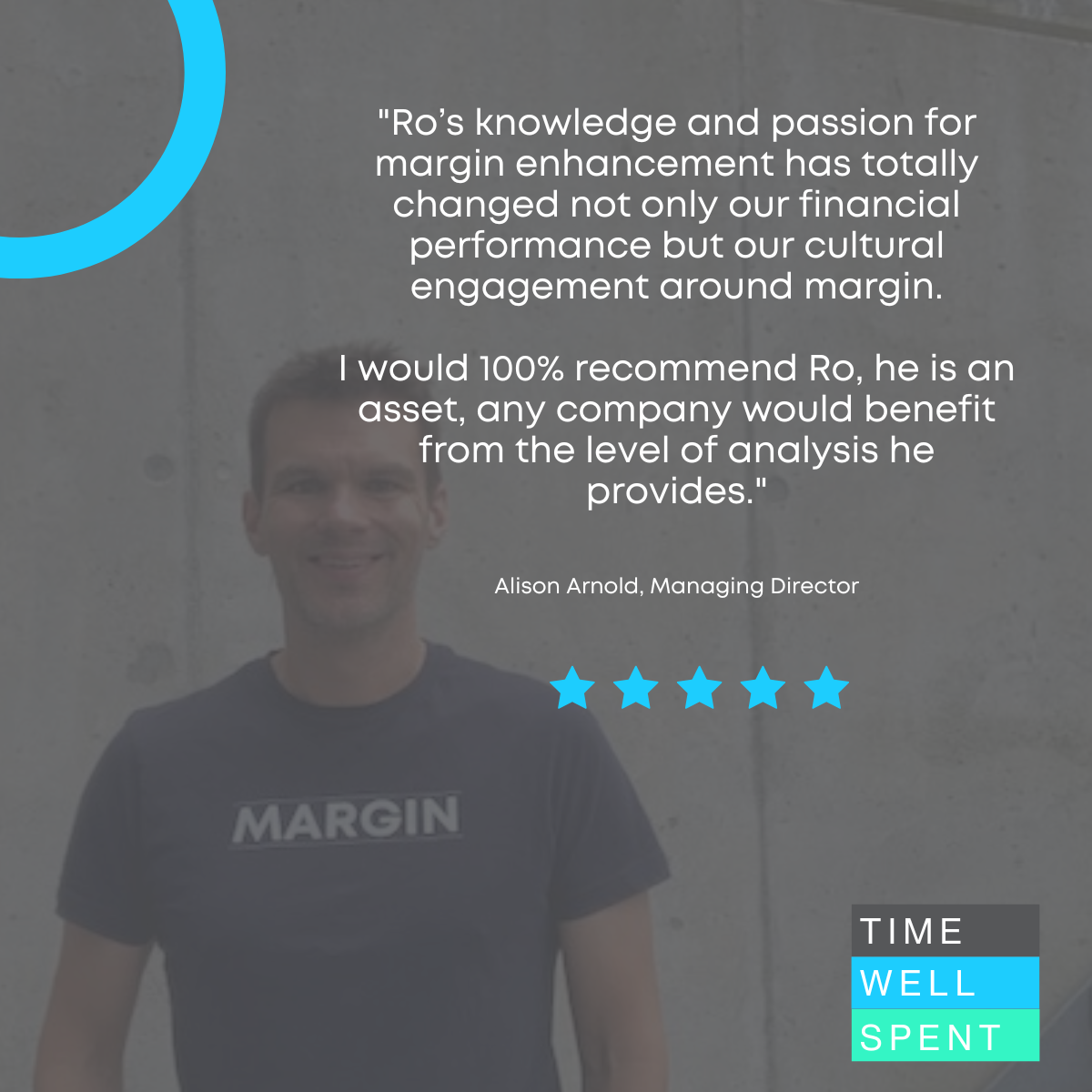
Ro’s knowledge and passion for margin enhancement has totally changed not only our financial performance but our cultural engagement around margin.
We are already seeing not only financial benefits and business growth from this process but also an increase in staff engagement and enthusiasm.
I would 100% recommend Ro, he is an asset, any company would benefit from the level of analysis he provides.
Ro’s standout quality is his ability to communicate complex financial concepts in a clear and concise manner. Taking the time to ensure that all stakeholders understand the implications of analysis, facilitating informed decision-making at every level of the organisation.
In addition to Ro’s technical expertise, he is a pleasure to work with on a personal level. The level of professionalism, reliability, and collaborative spirit greatly contributes to the success of project work.
Ro played a pivotal role in helping our company understand our margin data, going above and beyond to develop bespoke visual margin tools, tailored to our specific needs. These efforts not only empowered our sales representatives to target the most efficient locations but also led to significant sales growth.
Ro's expertise extended beyond margin data analysis, as they were instrumental in leveraging production data to identify opportunities for new machinery and product formulations.
Roland's knowledge and expertise in all things margins are really impressive. Not only that, he has huge energy and enthusiasm and is great to work with.
The information that Ro’s work provides, will demonstrate how effectively your company is achieving its key business objectives, towards efficiency and profit. He is a pleasure to work with.
We have been working with Roland for approximately 18 months and are extremely impressed with his amazing knowledge and experience of the food industry, which is proving invaluable to us. The Measures software system that Roland developed is awesome, not a word I usually use, but it really is!
Margins has resulted in us ironing out inefficiencies, working out optimal batch sizes, much more efficiency, resulting in savings in the £1000s and achieving a nett profit increase of +50% over the previous year!
Roland has an eye for detail, a head for figures and excellent problem-solving skills.